A visual destination for breed selection and comparison. Practical information for producers, farm managers and agricultural businesses.
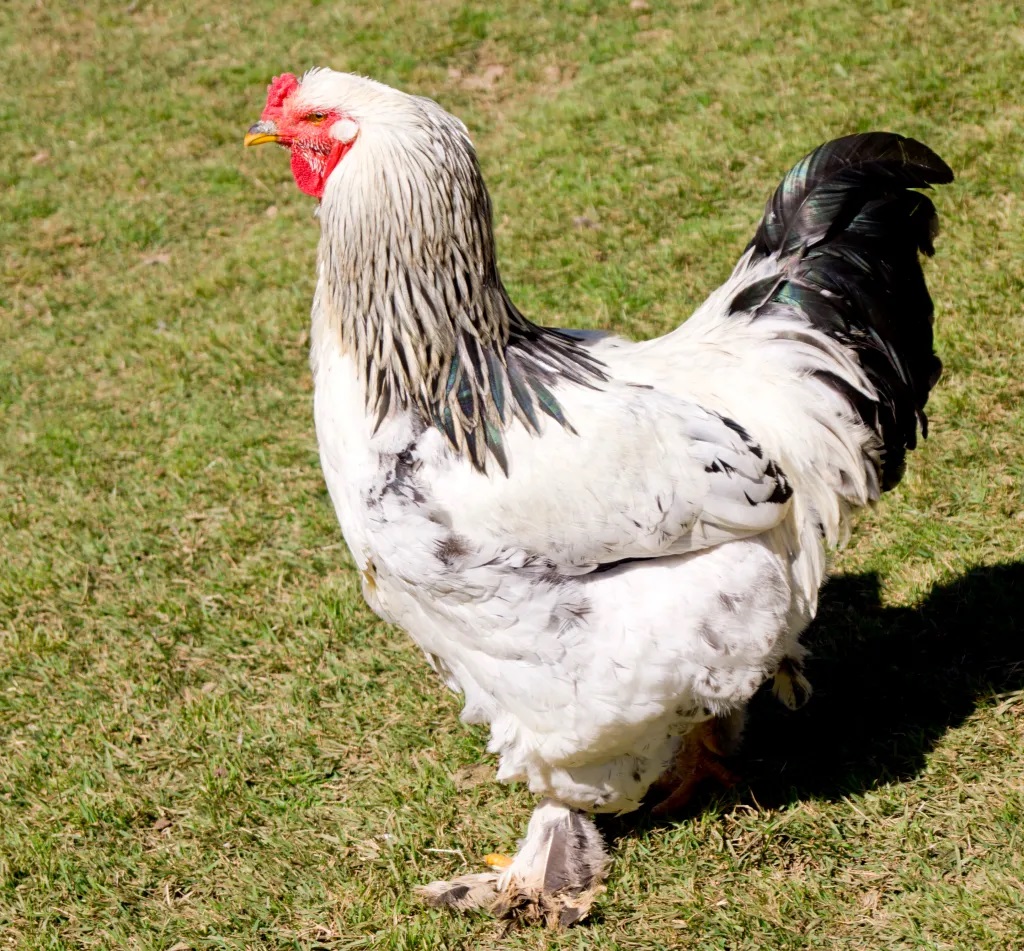
Breed selection should start with the production objective. Consider whether the operation is focused on meat, eggs, breeding stock or a mixed system, then compare breeds and commercial strains against housing, climate, feed availability, management capacity and market requirements.
Common poultry choices include commercial broiler strains selected for meat production and commercial layer strains selected for egg production. Examples seen in commercial production include Cobb and Ross broiler lines and Lohmann and Hy-Line layer lines. Availability and suitability vary by market, hatchery and production system, so producers should confirm current supply and performance information before placing an order.
Compare birds on growth or laying performance, feed efficiency, livability, environmental tolerance, temperament, egg characteristics where applicable, and the support available from the breeder or hatchery. The right choice is the one that fits the farm's resources and the market it serves.
Use these practical considerations as a starting point, then adapt them to your production system, local regulations and professional advice.
Define the output first: meat, table eggs, hatching eggs, replacement stock or a combination. A clear objective makes breed comparison more meaningful.
Consider housing, climate, ventilation, feeding, biosecurity, labour and record-keeping capacity. A strong genetic line still requires appropriate management.
Consider buyer preferences, processing requirements, egg size or meat market specifications, cycle length and the reliability of local input and veterinary support.
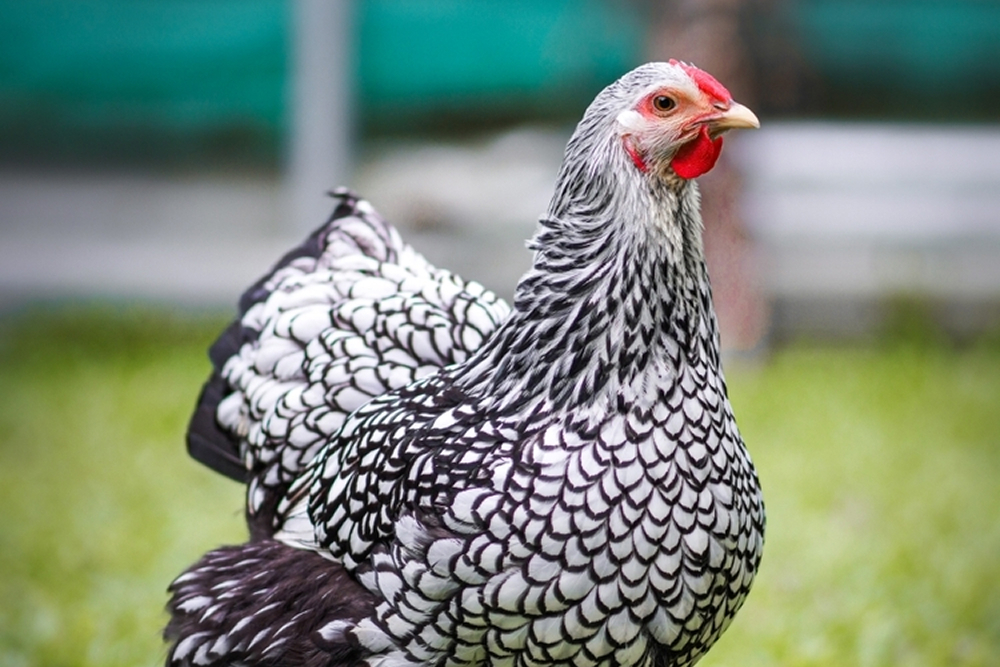
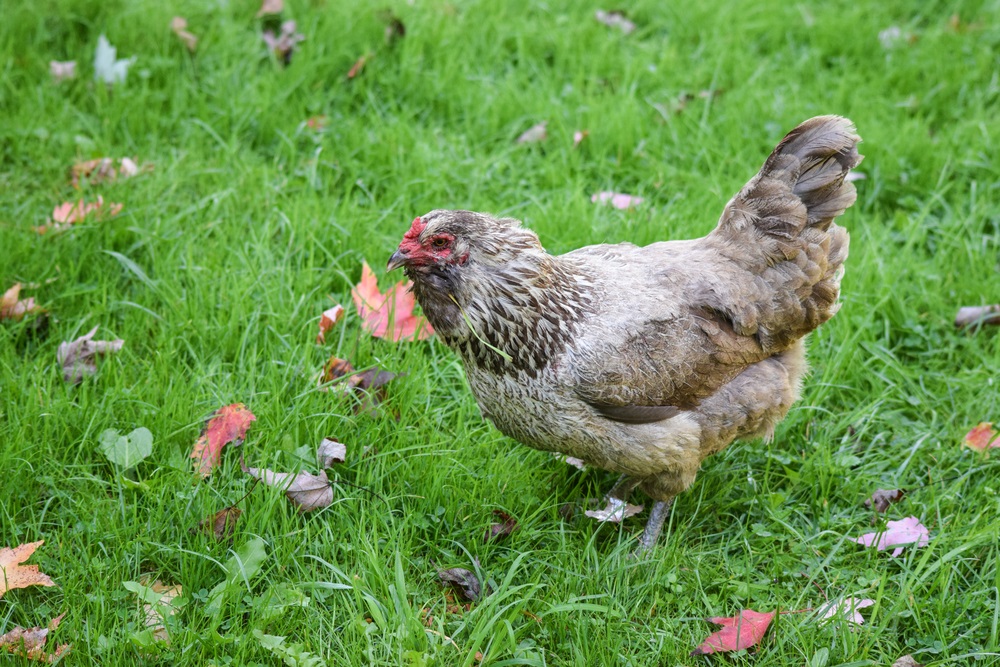
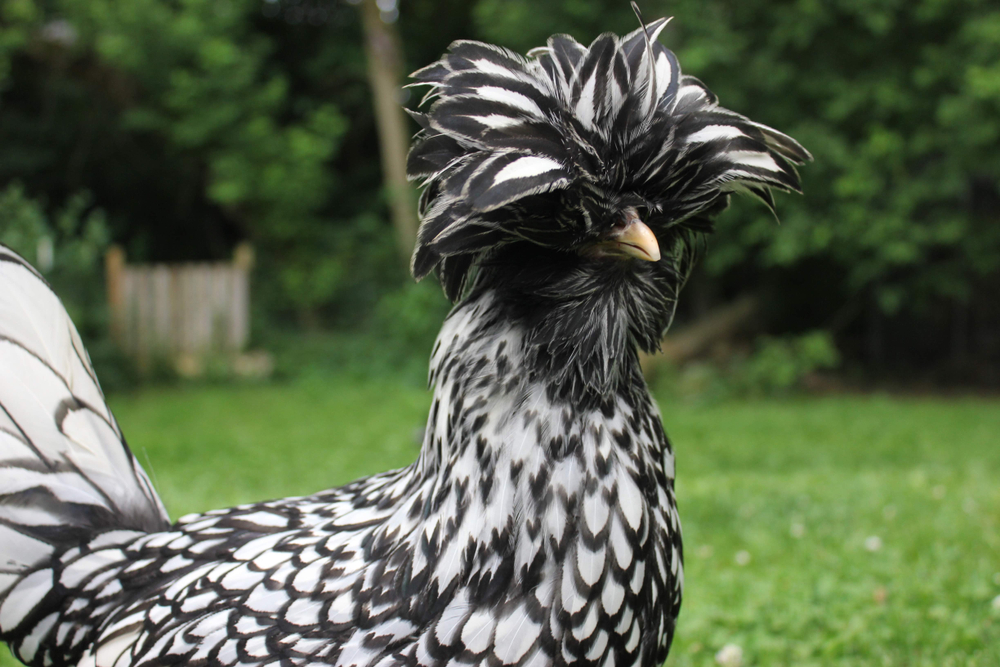


 English
 Afrikaans
 Albanian
 Amharic
 Arabic
 Armenian
 Azerbaijani
 Basque
 Belarusian
 Bengali
 Bosnian
 Bulgarian
 Catalan
 Cebuano
 Chichewa
 Chinese (Simplified)
 Chinese (Traditional)
 Corsican
 Croatian
 Czech
 Danish
 Dutch
 Esperanto
 Estonian
 Filipino
 Finnish
 French
 Frisian
 Galician
 Georgian
 German
 Greek
 Gujarati
 Haitian Creole
 Hausa
 Hawaiian
 Hebrew
 Hindi
 Hmong
 Hungarian
 Icelandic
 Igbo
 Indonesian
 Irish
 Italian
 Japanese
 Javanese
 Kannada
 Kazakh
 Khmer
 Korean
 Kurdish (Kurmanji)
 Kyrgyz
 Lao
 Latin
 Latvian
 Lithuanian
 Luxembourgish
 Macedonian
 Malagasy
 Malay
 Malayalam
 Maltese
 Maori
 Marathi
 Mongolian
 Myanmar (Burmese)
 Nepali
 Norwegian
 Pashto
 Persian
 Polish
 Portuguese
 Punjabi
 Romanian
 Russian
 Samoan
 Scottish Gaelic
 Serbian
 Sesotho
 Shona
 Sindhi
 Sinhala
 Slovak
 Slovenian
 Somali
 Spanish
 Sudanese
 Swahili
 Swedish
 Tajik
 Tamil
 Telugu
 Thai
 Turkish
 Ukrainian
 Urdu
 Uzbek
 Vietnamese
 Welsh
 Xhosa
 Yiddish
 Yoruba
 Zulu